
A TikTok and Instagram lawyer social media strategy should not be treated as a branding experiment. For law firms that build it correctly, short-form video can become a real case acquisition channel that supports search, intake, paid media, referrals, and website conversions.
The attorneys winning on TikTok and Instagram are not relying on courthouse photos, generic legal quotes, or firm anniversary posts. They are building content systems around practice-area content pillars, filming useful short-form videos, adding clear calls to action, and tracking every inquiry that comes from social media.
For criminal defense, personal injury, family law, immigration, and estate planning firms, the opportunity is clear. People are already using TikTok, Instagram Reels, and social search to understand legal problems before they contact a lawyer. The firms that show up with clear, compliant, helpful content can earn trust before the first phone call.
At ROI Society Law, we help law firms turn attorney short-form video marketing into a measurable part of a broader performance system. The goal is not views alone. The goal is qualified leads, stronger intake, and retained cases.
Short-Form Video Works Differently for Law Firms
Short-form video is not replacing Google search for law firms. It is changing how people begin the decision-making process before they search, call, or book a consultation.
A potential client may watch a 45-second video about what happens after a DUI arrest, how injury claims work, or what to do before speaking to police. That video may not close the case immediately, but it can create recognition and trust. Later, the same person may search for the attorney’s name, visit the firm’s website, or call after seeing the lawyer several times.
That is the search-social flywheel. TikTok and Instagram create awareness. Google captures intent. The website explains the service. The intake team converts the inquiry. If one part of that system is weak, social media will not produce the results the firm expects.
This is why law firms should not scale social content before reviewing their law firm intake process. A video can generate attention, but the firm still needs fast response, clear consultation booking, call tracking, and source attribution to turn attention into signed cases.
The strongest social strategies are not isolated from the rest of marketing. They connect law firm SEO, Google Ads, website conversion, and legal intake tracking into one measurable pipeline.
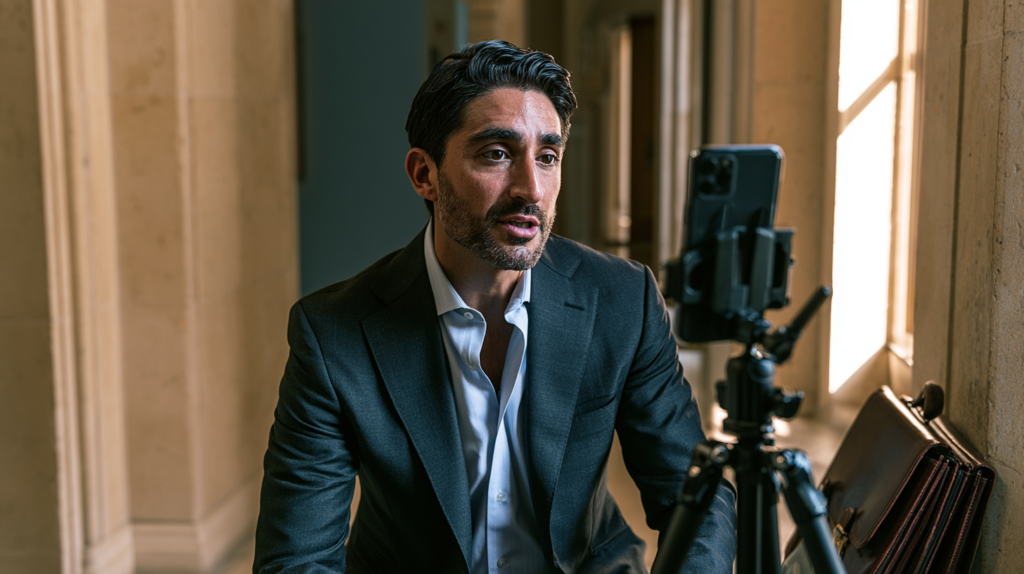
TikTok and Instagram Serve Different Legal Audiences
TikTok and Instagram Reels use similar video formats, but the audience behavior is not identical. A law firm should usually post to both platforms, but the content may perform differently depending on the practice area and local market.
TikTok for lawyers tends to reward direct, educational, and less polished content. A criminal defense attorney explaining what not to say during a traffic stop can perform well even if the video is filmed from a desk, parking lot, or office hallway. The platform rewards clarity, speed, and relevance.
Instagram Reels for lawyers often support a slightly more polished presentation. It can work especially well for local trust, referral visibility, community relationships, and people who already follow the firm or attorney. Instagram also connects easily to Stories, DMs, highlights, and local networking.
The content can start from the same topic, but the platform logic should change. TikTok captions can be shorter and more direct. Instagram captions can include more context, a stronger call to action, and a prompt to visit the link in bio.
A strong lawyer social media content strategy understands both platforms without turning every post into the same generic legal tip. Each video should match the audience, the problem, and the next step.
Practice-Area Content Pillars Create Qualified Attention
Generic legal content is easy to ignore. Posts like “know your rights” or “call a lawyer if you need help” rarely generate serious leads because they do not answer a specific client problem.
A stronger strategy starts with law firm social media content pillars. These are repeatable topic categories based on the exact questions potential clients ask before hiring a lawyer. The goal is to create content that speaks directly to a practice area, not vague legal education.
For a criminal defense firm, content pillars may include the arrest process, bail, arraignment, DUI stops, search and seizure, assault charges, warrants, plea negotiations, and what happens after missing court. These topics work because the audience is often stressed, urgent, and looking for immediate clarity.
For a personal injury firm, content pillars may include what to do after a crash, why insurance adjusters call quickly, how medical treatment affects a claim, how fault is determined, what not to post after an accident, and when to contact an attorney. These videos help people understand they may have a case before they fully realize it.
For a family law firm, pillars may include custody, divorce timelines, child support, protective orders, property division, mediation, and common myths about parenting rights. These viewers are often researching carefully before they call.
The best content pillar strategy turns one practice area into dozens of useful videos. That consistency helps the firm build authority, improve audience trust, and support future search behavior.
Criminal Defense Content That Converts
Criminal defense social media marketing works best when it gives fast procedural clarity. People facing criminal charges often feel confused, scared, and unsure what to do next. A short video that explains one step clearly can create immediate trust.
Charge-specific videos can perform well because they match urgent client searches. Examples include what happens after a DUI arrest, what a domestic violence arrest means, what to expect at a felony arraignment, how bail works, or what a bench warrant can do to a person’s life.
Process videos can also convert because clients want to know what happens next. A criminal defense attorney can explain discovery, court dates, plea negotiations, pretrial conferences, license hearings, protective orders, and trial preparation in short, direct clips.
Rights-based content is especially powerful. Videos about when to stop talking to police, what to do if officers ask to search a car, what Miranda rights actually mean, or how to handle questioning can generate saves and shares because the information feels immediately useful.
The key is to avoid turning every video into a lecture. A strong lawyer TikTok content strategy gives one clear answer, connects it to the local legal process, and ends with a compliant next step.
Personal Injury Content That Builds Case Awareness
Personal injury social media content works differently from criminal defense. Many injury victims do not immediately know whether they need a lawyer. They may assume insurance will handle the claim fairly or that their injuries are not serious enough to justify legal help.
Short-form video can educate people at the exact moment before they become leads. A personal injury lawyer can explain what to document after a crash, why medical treatment matters, how recorded statements can be used, why insurance adjusters call quickly, and how social media posts can affect a claim.
These videos should focus on the incident and the next step, not only on settlement outcomes. A person who was just injured may not be ready to hear about verdicts. They are more likely to respond to practical guidance that helps them avoid mistakes.
This type of content can also support law firm SEO. A viewer may first see the attorney on Instagram, then later search for the firm by name or look up related questions on Google. When the firm also has strong search visibility, the social content becomes part of a larger acquisition path.
Personal injury firms should also connect social campaigns to landing pages, call tracking, and consultation forms. A video can generate urgency, but the intake system must capture it.

Bar Compliance for Attorney Social Media
Short-form video is still attorney advertising. That means every law firm’s social media strategy must account for bar rules, disclaimers, testimonials, claims about results, and jurisdiction-specific requirements.
Compliance should not stop content creation. It should shape the format. Attorneys can create strong videos without promising outcomes, exaggerating results, or giving case-specific legal advice to the public.
Videos that mention past results should include careful disclaimer language. A common format is “Results vary. Prior results do not guarantee a similar outcome.” Depending on the state, the video may also need the firm name, the attorney responsible for the content, the office location, or the jurisdiction.
Disclaimers should be visible but not disruptive. A small on-screen disclaimer at the beginning or end of the video may be more practical than reading a long disclaimer verbally in the middle of the content.
Attorneys should avoid statements like “we will win your case,” “guaranteed settlement,” or “this strategy always works.” Strong content can still be persuasive without making promises. Bar-compliant attorney advertising is about accuracy, clarity, and proper framing.
Calls to Action That Actually Lead to Consultations
A video should not end without a next step. Many attorneys create useful content, receive views, and then wonder why the content does not generate cases. The problem is often the missing conversion layer.
A strong call to action should be direct but compliant. It may say, “If you were arrested in Las Vegas, schedule a consultation through the link in our bio,” or “If an insurance adjuster contacted you after a crash, speak with a lawyer before giving a recorded statement.”
The CTA should match the topic. A DUI video should not send viewers to a generic homepage. It should send them to a DUI consultation page, a relevant landing page, or a phone number connected to call tracking.
Captions should reinforce the next step. Instagram captions can include more context and a stronger prompt. TikTok captions should usually stay short but still make the action clear.
A strong law firm landing page optimization strategy helps ensure that visitors from social media do not land on a confusing page. The landing page should match the video topic and make consultation booking easy.
Tracking Social Media Intake Conversions
Views, likes, comments, and followers do not prove that social media is producing cases. A law firm needs law firm intake conversion tracking to connect content with actual inquiries, consultations, and retained clients.
The first step is to use tracked links. Every social profile should send traffic to a dedicated landing page with UTM parameters, not just the homepage. This allows analytics tools to identify visitors from TikTok, Instagram, paid social, or specific campaigns.
The second step is call tracking. Many legal leads still prefer to call. Unique phone numbers can help identify whether a call came from Instagram, TikTok, Google Ads, SEO, or another channel. This helps the firm understand which content is producing qualified conversations.
The third step is intake attribution. Intake staff should ask how the person heard about the firm and log the answer in the CRM or practice management system. That data should connect the inquiry to the retained case and eventual revenue.
A complete call tracking system for law firms helps attorneys measure social media as a business channel, not just a visibility tool.
Connecting Social Media to Multi-Channel Marketing
TikTok and Instagram are strongest when they support the rest of the law firm’s marketing system. Social content can warm up prospects, but search, paid media, email, retargeting, and intake often finish the conversion.
For example, a person may watch three Instagram Reels about DUI arrests, then search the attorney’s name on Google, read reviews, visit the website, and call the firm. If the firm only checks last-click attribution, it may underestimate social media’s role.
This is why law firm multi-channel marketing matters. A social strategy should connect to SEO pages, Google Business Profile activity, Google Ads campaigns, landing pages, retargeting audiences, and intake scripts.
The firm should also use high-performing social topics to inform content marketing. If a video about a specific court process generates strong engagement, that topic may deserve a full blog post, FAQ section, landing page, or paid ad angle.
A strong law firm multi-channel marketing strategy turns social media from isolated content into part of a measurable acquisition system.
ROI Society Law’s Approach to Attorney Social Media
ROI Society Law builds a law firm social media strategy as part of a complete performance marketing system. We do not treat TikTok or Instagram as separate branding channels. We connect them to SEO, Google Ads, landing pages, call tracking, intake, and case attribution.
That matters because a law firm does not need more content with unclear value. It needs content that supports measurable growth. The right system can show which videos create traffic, which topics generate calls, which practice areas respond, and which inquiries become signed cases.
Our approach starts with practice-area content pillars, compliance-aware messaging, platform-specific posting logic, and conversion tracking. Then we connect the content to landing pages, intake workflows, CRM attribution, and reporting.
For law firms investing in social media, the question should not be, “Did this video get views?” The better question is, “Did this content create qualified conversations that can become cases?”
When the strategy is built that way, TikTok and Instagram become more than visibility channels. They become part of a real acquisition system.

FAQ
Can TikTok and Instagram really bring cases to a law firm?
Yes, TikTok and Instagram can generate legal inquiries when the content answers real client questions, includes clear calls to action, and connects to tracked landing pages, call tracking, and intake attribution.
What should lawyers post on social media?
Lawyers should post practice-area content that answers client questions, explains the legal process, corrects common myths, and helps viewers understand when to contact an attorney. The strongest content is specific, compliant, and connected to a next step.
How do law firms track cases from social media?
Law firms can track cases from social media with UTM links, dedicated landing pages, call tracking numbers, CRM source fields, and intake questions. This connects TikTok or Instagram activity to inquiries, consultations, and retained clients.
Conclusion
A TikTok and Instagram lawyer social media strategy works best when it connects content, compliance, search, landing pages, intake, and attribution. The firms that win are not posting randomly. They are building systems that turn repeated client questions into useful videos and useful videos into measurable opportunities.
Short-form video can help law firms earn trust before the consultation, support branded search, educate urgent prospects, and create demand for specific practice areas. But the content must have a conversion path. Without tracking, intake, and follow-up, social media becomes an activity without accountability.
ROI Society Law helps law firms build performance marketing systems across social strategy, paid search, SEO, website conversion, and intake optimization. If your firm is producing content without a clear line to retained cases, contact ROI Society Law today to schedule a consultation.
Turn legal content into qualified inquiries, stronger intake, and measurable case growth.